
Theme is an important element that quietly works in the background of strong stories. Pulled deliberately or subconsciously from the author’s individual worldview, it acts as an anchoring thread that connects the other story elements and creates cohesion for readers.
The reason themes work is because they’re universal. Isolation, family, redemption, addiction—these ideas are common to the human experience. When they’re included in a story, readers connect with the text and the characters on a deeper level as they consider those themes in light of their own personal values and beliefs.
BUT…as with any important storytelling element, we diminish the theme if we overemphasize it. Readers read to have an experience, to escape. This is hard to do when the story they’re trying to disappear into keeps hammering an overt, heavy-handed message.
Themes are so much easier to take when they’re introduced subtly. Here how we can do that.
Show the Theme’s Impact
Ideas about good and evil, love, truth…these are deeply personal themes, and while we all have strong opinions about them, they’re not something we tend to think or talk about directly. A character who’s constantly pontificating about the meaning of life and his place in the universe isn’t authentic. Readers get that. They realize it’s the author talking, not the character, and they’re pulled out of the story.
To avoid this, create opportunities for characters that explore the theme and encourage them to make choices around that idea. You might include some contemplation as the character processes what they’ve experienced and how to respond, but their choices in those situations will show readers what ideas are shaping them without stating them too obviously.
Introduce Different Perspectives Via Contrasting Characters
Most authors writing with theme in mind have a certain idea they’re presenting through the story: No one is beyond redemption, or Beauty is in the eye of the beholder. But we can make a bigger impact when, instead of telling readers what they should think, we let them to make up their own minds.
An understated way to do this is by surrounding the protagonist with characters who embrace varying perspectives on the theme. For example, if your hero thinks revenge will bring them peace, pair them with a loved one who exacted vengeance but is still filled with anger and hurt. Give them a friend who believes retribution is never the answer.
Offering a variety of perspectives on the theme is a good way to get readers thinking about that message and what they themselves think about it. And if you want to double-down on this technique…
Give the Antagonist an Opposite Thematic Idea

Your story’s going to have a protagonist and some kind of adversary, so give them conflicting viewpoints on the theme. Luke Skywalker vs. Darth Vader, Andy Sachs vs. Miranda Priestly… opposing thematic beliefs pits opposing characters solidly against each other while reinforcing the message of the story. Just make sure both perspectives are valid by building in backstory and real reasons for each character to think the way they do.
Reinforce Theme Through Symbolism and Imagery
Readers are smart. They pick up on patterns and clues—they actually like figuring things out on their own. So instead of explaining the theme, show it with a symbol or motif. Repeated use of the mockingjay in The Hunger Games series reinforces a theme of rebellion. The long hair of the greasers in The Outsiders represents identity and belonging. By themselves, symbols simply represent something else, but when they coincide with theme-based choices and contrasting perspectives on the central idea, they subtly reinforce it.
Weave it into Unexpected Story Elements
Another way to quietly convey the theme is to incorporate it through unrelated story elements. A setting can be thoughtfully chosen to reinforce a theme of purity and goodness (the Shire) or isolation (Where the Crawdads Sing). Because themes touch on a character’s deepest values and passions, their occupation could reinforce what they believe about the theme—and provide natural conflict when those beliefs start to shift.
To covertly underscore your story’s central idea, think about how it could intertwine with the character’s hobbies, physical appearance, relationships, or another story element that isn’t typically touched by theme.
Most Importantly, Trust Your Readers
These techniques can be very effective—but only if you trust readers to connect the dots. Be subtle introducing and reinforcing your theme. Resist the urge to use a conversation, internal dialogue, or author intrusion to explain what a symbol, choice, or meaningful moment means. Give readers enough context to make connections themselves, and they’ll happily burrow into your story to experience all it has to offer.
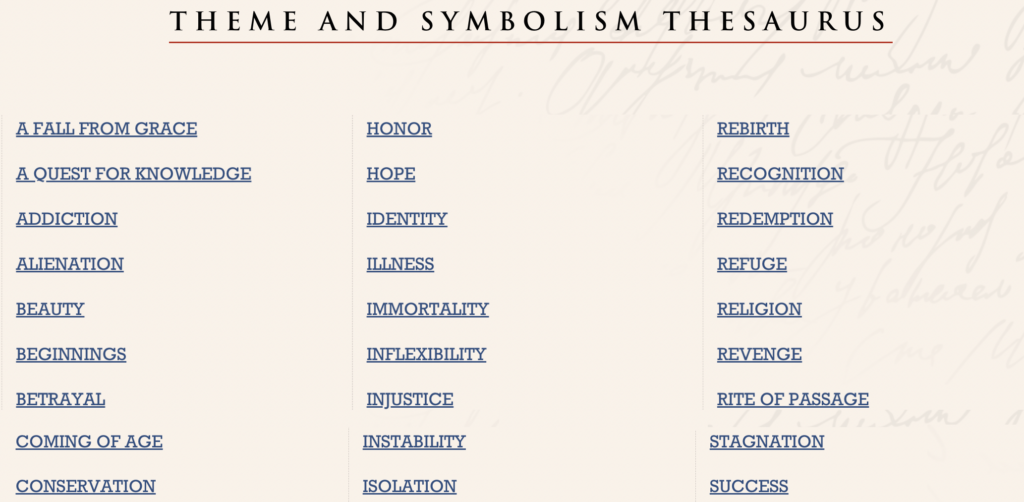
If you’d like to learn more about theme and how to add it to a story, check out the One Stop for Writers’ Themes and Symbols Thesaurus and its information-packed tutorial.
Summary for Busy Writers: Theme adds depth and cohesion to a story, but heavy-handed messaging can turn readers off. To incorporate theme subtly, show its impact through the character’s choices, contrasting perspectives, and symbolism and imagery. Above all, trust readers to make connections and pick up on the theme without beating them over the head with it.